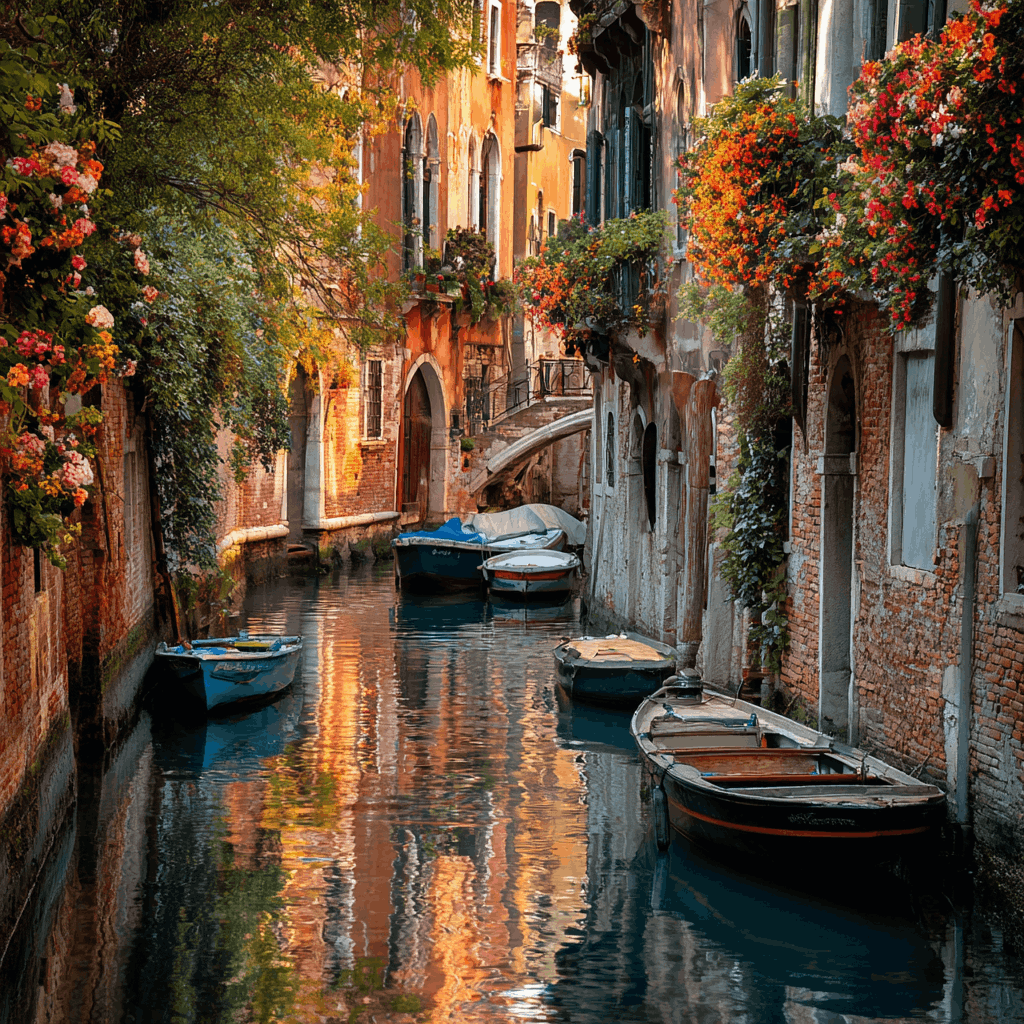
So you're eyeing a quick Central Europe dip, just Venice and Budapest, squeezing the magic into five days total with travel, and wondering if it's actually doable or if you'll end up regretting the rush. Short answer upfront: yeah, it's totally feasible for grabbing the essentials of both places without complete meltdown, especially if you're okay focusing on highlights and keeping the pace reasonable. Venice's dreamy canals and Budapest's thermal baths are worlds apart yet weirdly complementary, one all watery romance, the other steamy relaxation with grand architecture. Five days works as a standalone mini-trip or a relaxed bolt-on to a bigger hop, but let's break it down honest so you know what you're signing up for.
Why These Two Cities Pair So Nicely
Venice feels like nowhere else, floating alleys, no cars, just bridges and boats, pure fairy-tale escape. Budapest hits different, split by the river with hilly Buda castles and flat Pest nightlife, plus those famous baths that make you feel reborn. Together they give you Italian elegance mixed with Hungarian heart, both compact enough that short stays still deliver big vibes. Distance-wise it's not bad, quick flight or overnight train, no crazy long haul eating your time. The contrast keeps it fresh, water city to river city with thermal twists.

Let's map a typical 2 days Venice plus 3 days Budapest setup, assuming you fly in early or overnight to maximize.
Travel day in between keeps it to five nights total, doable.
Get in morning if possible, drop bags, dive straight into wandering St. Mark's Square, climb the campanile for views, stroll over Rialto bridge. Afternoon maybe a vaporetto ride along the Grand Canal to soak the scenery. Evening just get lost in smaller calles, grab cicchetti and wine. One solid day covers the iconic stuff, but it's busy, no deep museum dives.
Morning for whatever you missed, maybe a quick gondola if budget allows or just cheaper traghetto crossing, peek inside Doge's Palace or wander quieter islands like San Giorgio for photos. Afternoon or evening hop to Budapest, flight about 1.5 hours or overnight train to wake up there. Two days total in Venice feels tight but enough for the wow factor, you'll leave wanting more, which is kinda the point.
Day 3 explore Pest side, parliament building, Heroes' Square, ruin bars at night. Day 4 cross to Buda, castle hill, Matthias Church, maybe Fisherman's Bastion views. Day 5 pick a thermal bath like Szechenyi or Gellert, soak for hours, feels luxurious after Venice walking. Three days here breathes easier, city rewards slower pace with cafe stops and Danube walks.
The Travel Bit Between Them
Quickest is direct flight, 1.5 hours plus airports makes half-day commitment. Overnight train saves a hotel and arrives central morning, comfy if you book a sleeper. Buses exist but longer, like 8-9 hours, not ideal for short trip. Flight wins for keeping energy high, book budget carriers early for cheap fares. Either way, one transition only, no chaos.
Pros and Cons of This Tight Timeline
Pros: You nail the absolute must-sees, canals and gondolas in Venice, baths and bridges in Budapest, without burnout from too many moves. Works great for short vacations or adding to nearby hops. Leaves you satisfied yet hungry for return visits.
Cons: Venice in two days skips deeper stuff like outer islands or long museum lines, no lazy afternoons just watching water. If gondolas are non-negotiable, budget time and money, they're pricey and crowded. Deep history lovers might feel shortchanged, both cities have layers that reward extra days. Jet lag or bad weather could pinch tighter.
Overall, yes for essentials without insane rush, especially at relaxed pace. Challenging if you hate checklists or want immersion, then extend Venice to three and make it six-seven days.
Who This Combo Suits Best
Couples dig the romance overload, sunset canal photos then thermal bath dates. Relaxed travelers thrive with built-in chill spots like baths or piazza people-watching. Short-trip folks or weekend extenders get a lot of bang. Active types can pack walks and sights, but it's not non-stop hustle.
Quick tips: Book skip-the-line tickets for Venice big spots, crowds kill time. In Budapest get a bath ticket morning to beat tour groups. Wear super comfy shoes, both involve tons of walking on uneven ground. Pack light, trains and boats hate heavy bags. This pair delivers massive charm in small package, if five days is what you've got, go for it, you'll come home smiling and planning the longer version next time!

Tekiteki – Because seeing more cities shouldn't mean seeing less of each one.